


הכנס הארצי למדעי המחשב והמידע

בחסות הפקולטה למדעי המחשב והמידע ע"ש שטיין
{{tariff.title}}

{{tariff.validUntilDescription}}

 
מחיר

הרשמו עכשיו

מושב בהנדסת תוכנה

במסגרת הכנס הארצי למדעי המחשב והמידע, אשר יתקיים ב08/10/26, אנו נקיים מושב בהנדסת תוכנה.  המושב הישראלי בהנדסת התוכנה והמערכות מפגיש את קהילות האקדמיה והתעשייה בישראל לשיח על מחקר, חדשנות ויישום מעשי בתחום. המושב מזמין הצגות של מחקרים ותוצאות חדשות, לרבות כיווני מחקר חדשניים ועבודות בשלבים מוקדמים; ניסיון מצטבר, אתגרים ופתרונות מן התעשייה; דיון בהשפעות החברתיות, הציבוריות והאתיות של תוכנה ותהליכי פיתוח; הדגמות של כלים, תשתיות ומאגרי נתונים; וכן שיטות וניסיון בהוראת הנדסת תוכנה ובהכשרת הדור הבא של המהנדסות והמהנדסים.

דוברים במושב

פרופ' גיא כץ

האוניברסיטה העברית בירושלים

Accelerating Program Verification with Small Language Models

Abstract

The synthesis of inductive loop invariants remains a critical bottleneck in automated program verification. While Large Language Models (LLMs) show promise in mitigating this issue, they often fail on complex programs, producing invariants that are invalid or computationally ineffective. We present Wonda, a pipeline for fine-tuning Small Language Models (SLMs) to enable the to produce high-quality invariants. On the challenging InvBench suite, our approach enables small models to outperform off-the-shelf models 20x their size.

Based on joint work with Ido Pinto, Yizhak Yisrael Elboher, Haoze Wu and Nina Narodytska. This work appeared in ICML 2026.
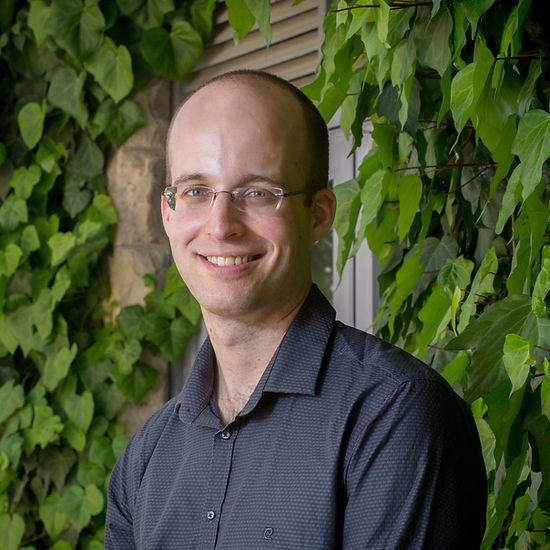
פרופ' גיא כץ

ד"ר איתן פרחי

IBM Research

Trust the Spec, Not the Code: Formal Specification in the Age of AI

Abstract

AI lets us recover the old promises of formal specification—early error detection, explicit invariants, correctness by design—without the notational burden that kept formal methods out of industry. The trick is to treat the specification as the artifact you author, review, and refine, and the code as disposable output. Using two examples—a simulation of organizational knowledge growth and an online-banking fund-transfer service—I show one consistent discipline: an AI reviews the spec for ambiguities, conservation invariants are proved by induction and turned into runtime checks, and interfaces are captured in Z schemas. The punchline: the generated code was never inspected as it evolved—there was no need to. Specification-level review, proof, invariants, and Z gave enough confidence that the implementations were correct by construction.

ד"ר איתן פרחי

פרופ' אורית חזן

הטכניון – מכון טכנולוגי לישראל

מתודולוגיית פיתוח ומבנה צוותי פיתוח בעידן פיתוח התוכנה האג'נטי

תקציר

כפי שפיתוח מונחה עצמים הוביל להתפתחותן של מתודולוגיות פיתוח תוכנה חדשות (בעיקר אג'יליות), וכן לשינויים משמעותיים במבנה ותפקידי צוותי הפיתוח, כך גם פיתוח תוכנה אג'נטי צפוי לחולל שינוי משמעותי באופן שבו תוכנה מתוכננת, מפותחת ומתוחזקת.
כבר היום ברור כי בעידן פיתוח תהתוכנה האג'נטי, שבו מערכות אג'נטיות משתלבות בתהליך הפיתוח, משתנה מקצוע הנדסת התוכנה: מהתמקדות בכתיבת קוד והגדרת אלגוריתמים ניתן לראות מעבר לעיצוב פתרונות, הגדרת מטרות, ניהול אינטראקציה עם סוכנים חכמים והערכת תוצרים שנוצרים בשיתוף אדם–מכונה. שינוי זה מחייב חשיבה מחודשת על מתודולוגיות הפיתוח, על מבנה צוותי הפיתוח העתידיים ועל חלוקת האחריות בין חברי וחברות הצוות.
בהרצאה נבחן כיוונים אפשריים להתפתחות מתודולוגיות פיתוח בעידן הפיתוח האג'נטי, ונעסוק באופן שבו צוותי פיתוח עשויים להשתנות: אילו תפקידים חדשים ייווצרו, כיצד תשתנה חלוקת העבודה בין בני אדם לסוכנים, כיצד תשתנה התקשורת ושיתוף הפעולה בצוות, ואילו מיומנויות תדרשנה ממפתחי תוכנה בעתיד.
חשיבותו של נושא זה עולה במיוחד בתקופה שבה מקצוע הנדסת התוכנה עצמו עובר עיצוב מחדש; משבר הג'וניורים, אותו חווים בוגרים ובוגרות מדעי המחשב והנדסת תוכנה בתחילת דרכם בשוק העבודה המשתנה, נמצא בעיצומו; והאקדמיה נדרשת לחשב מסלול מחדש בכלל ובהקשר להכשרת מהנדסי ומהנדסות תוכנה בפרט.

פרופ' אורית חזן

פרופ׳ יעל דובינסקי

המכללה האקדמית רמת גן

מתודולוגיית פיתוח ומבנה צוותי פיתוח בעידן פיתוח התוכנה האג'נטי

תקציר

כפי שפיתוח מונחה עצמים הוביל להתפתחותן של מתודולוגיות פיתוח תוכנה חדשות (בעיקר אג'יליות), וכן לשינויים משמעותיים במבנה ותפקידי צוותי הפיתוח, כך גם פיתוח תוכנה אג'נטי צפוי לחולל שינוי משמעותי באופן שבו תוכנה מתוכננת, מפותחת ומתוחזקת.
כבר היום ברור כי בעידן פיתוח תהתוכנה האג'נטי, שבו מערכות אג'נטיות משתלבות בתהליך הפיתוח, משתנה מקצוע הנדסת התוכנה: מהתמקדות בכתיבת קוד והגדרת אלגוריתמים ניתן לראות מעבר לעיצוב פתרונות, הגדרת מטרות, ניהול אינטראקציה עם סוכנים חכמים והערכת תוצרים שנוצרים בשיתוף אדם–מכונה. שינוי זה מחייב חשיבה מחודשת על מתודולוגיות הפיתוח, על מבנה צוותי הפיתוח העתידיים ועל חלוקת האחריות בין חברי וחברות הצוות.
בהרצאה נבחן כיוונים אפשריים להתפתחות מתודולוגיות פיתוח בעידן הפיתוח האג'נטי, ונעסוק באופן שבו צוותי פיתוח עשויים להשתנות: אילו תפקידים חדשים ייווצרו, כיצד תשתנה חלוקת העבודה בין בני אדם לסוכנים, כיצד תשתנה התקשורת ושיתוף הפעולה בצוות, ואילו מיומנויות תדרשנה ממפתחי תוכנה בעתיד.
חשיבותו של נושא זה עולה במיוחד בתקופה שבה מקצוע הנדסת התוכנה עצמו עובר עיצוב מחדש; משבר הג'וניורים, אותו חווים בוגרים ובוגרות מדעי המחשב והנדסת תוכנה בתחילת דרכם בשוק העבודה המשתנה, נמצא בעיצומו; והאקדמיה נדרשת לחשב מסלול מחדש בכלל ובהקשר להכשרת מהנדסי ומהנדסות תוכנה בפרט.

ד"ר יעל דובינסקי

פרופ' עירית הדר

אוניברסיטת חיפה

Learning how to walk the talk: Organizational climate as a promoter of responsible AI-based systems by design

Abstract

The demand for secure, privacy-preserving, and ethical software systems has never been higher, prompting industry-wide calls for proactive "by design" approaches. However, the actual implementation of these practices consistently falls short, often resulting in systemic vulnerabilities or the phenomenon of "AI ethics washing". This lecture explores why technical solutions and formal policies are insufficient on their own, highlighting the critical role of organizational climate in shaping developers' mindsets and behaviors. We will examine how organizational security and privacy climates dictate the true priority these facets receive, especially when pitted against competing goals, and the pheonmenon of "decoupling" – a distinct gap between formal ethical declarations and actual operational practices. Fostering the design of responsible and trustworthy AI and software systems requires actively cultivating a supportive organizational environment. This involves aligning leadership communication, resolving conflicting organizational goals, and closing the gap between declared policies and operational reality to genuinely support developers in proactive behavior of implementing responsibility by design.

פרופ' עירית הדר

פרופ' שאול אלמגור

הטכניון – מכון טכנולוגי לישראל

Quantitative Verification: A Theoretical Viewpoint

Abstract

Traditional formal methods are based on Boolean structures, such as finite automata and classic temporal logics. While successful, these models are limited in their expressive power. Over the past few decades, there has been a surge of research on quantitative models—extensions of automata, logic, and games incorporating weights, counters, registers, etc. These models are far richer than traditional ones and can naturally capture infinite-configuration systems, with many still admitting decidable verification problems.
However, despite their expressive power, quantitative models have not yet seen widespread adoption in practice. In this talk, I will survey recent theoretical progress on various quantitative models, discuss potential application domains, and speculate on what is needed to bridge the gap between theory and practical application.

פרופ' שאול אלמגור

לוח זמנים (מתעדכן באופן סדיר):

08:30–09:30 התכנסות וקבלת פנים

09:30–11:30 מושב הנדסת תוכנה I, הכולל:

11:45–13:15 מושב מליאה משותף, הכולל:

  • דברי פתיחה וברכות (רקטור האוניברסיטה, דיקן הפקולטה).
  • השקת האיגוד הישראלי למדעי המחשב.
  • הרצאת אורח: פרופ' אמנון שעשוע. נושא: "על פיתוח אינטליגנציית מכונה והשפעתה על מדענים, חוקרים ומומחים".

13:15–14:15 ארוחת צהריים

14:15–16:30 מושב הנדסת תוכנה II, הכולל:

בנוסף להרצאות, הכנס יכלול מושב פוסטרים. אנו מעודדים את כולם, כולל תלמידי מחקר ותארים מתקדמים, להגיש את עבודותיהם לבחינה. פרטים נוספים יפורסמו בהמשך.

שימו לב: הגשת פוסטר אינה מחליפה את ההרשמה לכנס – יש להירשם לכנס, וכן, אם ברצונכם גם להציג פוסטר, יש להגיש הצעת פוסטר בנפרד באמצעות טופס הגשת הצעה למושב הפוסטרים.

Software Engineering Track

As part of the National Conference on Computer and Information Sciences, taking place on 08/10/26, we will hold a Software Engineering session. The Session on Software Engineering brings together the academic and industrial communities in Israel for a dialogue on research, innovation, and practical implementation in the field. The session invites presentations of research and new results, including innovative research directions and early-stage work; accumulated experience, challenges, and solutions from industry; discussions on the social, public, and ethical impacts of software and development processes; demonstrations of tools, infrastructures, and datasets; as well as methods and experience in teaching software engineering and training the next generation of engineers.

Session Speakers

Prof. Guy Katz

The Hebrew University of Jerusalem

Accelerating Program Verification with Small Language Models

Abstract

The synthesis of inductive loop invariants remains a critical bottleneck in automated program verification. While Large Language Models (LLMs) show promise in mitigating this issue, they often fail on complex programs, producing invariants that are invalid or computationally ineffective. We present Wonda, a pipeline for fine-tuning Small Language Models (SLMs) to enable the to produce high-quality invariants. On the challenging InvBench suite, our approach enables small models to outperform off-the-shelf models 20x their size.

Based on joint work with Ido Pinto, Yizhak Yisrael Elboher, Haoze Wu and Nina Narodytska. This work appeared in ICML 2026.

Prof. Guy Katz

Dr. Eitan Farchi

IBM Research

Trust the Spec, Not the Code: Formal Specification in the Age of AI

Abstract

AI lets us recover the old promises of formal specification—early error detection, explicit invariants, correctness by design—without the notational burden that kept formal methods out of industry. The trick is to treat the specification as the artifact you author, review, and refine, and the code as disposable output. Using two examples—a simulation of organizational knowledge growth and an online-banking fund-transfer service—I show one consistent discipline: an AI reviews the spec for ambiguities, conservation invariants are proved by induction and turned into runtime checks, and interfaces are captured in Z schemas. The punchline: the generated code was never inspected as it evolved—there was no need to. Specification-level review, proof, invariants, and Z gave enough confidence that the implementations were correct by construction.

Dr. Eitan Farchi

Prof. Orit Hazzan

Technion – Israel Institute of Technology

מתודולוגיית פיתוח ומבנה צוותי פיתוח בעידן פיתוח התוכנה האג'נטי

תקציר

כפי שפיתוח מונחה עצמים הוביל להתפתחותן של מתודולוגיות פיתוח תוכנה חדשות (בעיקר אג'יליות), וכן לשינויים משמעותיים במבנה ותפקידי צוותי הפיתוח, כך גם פיתוח תוכנה אג'נטי צפוי לחולל שינוי משמעותי באופן שבו תוכנה מתוכננת, מפותחת ומתוחזקת.
כבר היום ברור כי בעידן פיתוח תהתוכנה האג'נטי, שבו מערכות אג'נטיות משתלבות בתהליך הפיתוח, משתנה מקצוע הנדסת התוכנה: מהתמקדות בכתיבת קוד והגדרת אלגוריתמים ניתן לראות מעבר לעיצוב פתרונות, הגדרת מטרות, ניהול אינטראקציה עם סוכנים חכמים והערכת תוצרים שנוצרים בשיתוף אדם–מכונה. שינוי זה מחייב חשיבה מחודשת על מתודולוגיות הפיתוח, על מבנה צוותי הפיתוח העתידיים ועל חלוקת האחריות בין חברי וחברות הצוות.
בהרצאה נבחן כיוונים אפשריים להתפתחות מתודולוגיות פיתוח בעידן הפיתוח האג'נטי, ונעסוק באופן שבו צוותי פיתוח עשויים להשתנות: אילו תפקידים חדשים ייווצרו, כיצד תשתנה חלוקת העבודה בין בני אדם לסוכנים, כיצד תשתנה התקשורת ושיתוף הפעולה בצוות, ואילו מיומנויות תדרשנה ממפתחי תוכנה בעתיד.
חשיבותו של נושא זה עולה במיוחד בתקופה שבה מקצוע הנדסת התוכנה עצמו עובר עיצוב מחדש; משבר הג'וניורים, אותו חווים בוגרים ובוגרות מדעי המחשב והנדסת תוכנה בתחילת דרכם בשוק העבודה המשתנה, נמצא בעיצומו; והאקדמיה נדרשת לחשב מסלול מחדש בכלל ובהקשר להכשרת מהנדסי ומהנדסות תוכנה בפרט.

Prof. Orit Hazzan

Prof. Yael Dubinsky

Ramat Gan Academic College

מתודולוגיית פיתוח ומבנה צוותי פיתוח בעידן פיתוח התוכנה האג'נטי

תקציר

כפי שפיתוח מונחה עצמים הוביל להתפתחותן של מתודולוגיות פיתוח תוכנה חדשות (בעיקר אג'יליות), וכן לשינויים משמעותיים במבנה ותפקידי צוותי הפיתוח, כך גם פיתוח תוכנה אג'נטי צפוי לחולל שינוי משמעותי באופן שבו תוכנה מתוכננת, מפותחת ומתוחזקת.
כבר היום ברור כי בעידן פיתוח תהתוכנה האג'נטי, שבו מערכות אג'נטיות משתלבות בתהליך הפיתוח, משתנה מקצוע הנדסת התוכנה: מהתמקדות בכתיבת קוד והגדרת אלגוריתמים ניתן לראות מעבר לעיצוב פתרונות, הגדרת מטרות, ניהול אינטראקציה עם סוכנים חכמים והערכת תוצרים שנוצרים בשיתוף אדם–מכונה. שינוי זה מחייב חשיבה מחודשת על מתודולוגיות הפיתוח, על מבנה צוותי הפיתוח העתידיים ועל חלוקת האחריות בין חברי וחברות הצוות.
בהרצאה נבחן כיוונים אפשריים להתפתחות מתודולוגיות פיתוח בעידן הפיתוח האג'נטי, ונעסוק באופן שבו צוותי פיתוח עשויים להשתנות: אילו תפקידים חדשים ייווצרו, כיצד תשתנה חלוקת העבודה בין בני אדם לסוכנים, כיצד תשתנה התקשורת ושיתוף הפעולה בצוות, ואילו מיומנויות תדרשנה ממפתחי תוכנה בעתיד.
חשיבותו של נושא זה עולה במיוחד בתקופה שבה מקצוע הנדסת התוכנה עצמו עובר עיצוב מחדש; משבר הג'וניורים, אותו חווים בוגרים ובוגרות מדעי המחשב והנדסת תוכנה בתחילת דרכם בשוק העבודה המשתנה, נמצא בעיצומו; והאקדמיה נדרשת לחשב מסלול מחדש בכלל ובהקשר להכשרת מהנדסי ומהנדסות תוכנה בפרט.

Dr. Yael Dubinsky

Prof. Irit Hadar

University of Haifa

Learning how to walk the talk: Organizational climate as a promoter of responsible AI-based systems by design

Abstract

The demand for secure, privacy-preserving, and ethical software systems has never been higher, prompting industry-wide calls for proactive "by design" approaches. However, the actual implementation of these practices consistently falls short, often resulting in systemic vulnerabilities or the phenomenon of "AI ethics washing". This lecture explores why technical solutions and formal policies are insufficient on their own, highlighting the critical role of organizational climate in shaping developers' mindsets and behaviors. We will examine how organizational security and privacy climates dictate the true priority these facets receive, especially when pitted against competing goals, and the pheonmenon of "decoupling" – a distinct gap between formal ethical declarations and actual operational practices. Fostering the design of responsible and trustworthy AI and software systems requires actively cultivating a supportive organizational environment. This involves aligning leadership communication, resolving conflicting organizational goals, and closing the gap between declared policies and operational reality to genuinely support developers in proactive behavior of implementing responsibility by design.

Prof. Irit Hadar

Prof. Shaull Almagor

Technion – Israel Institute of Technology

Quantitative Verification: A Theoretical Viewpoint

Abstract

Traditional formal methods are based on Boolean structures, such as finite automata and classic temporal logics. While successful, these models are limited in their expressive power. Over the past few decades, there has been a surge of research on quantitative models—extensions of automata, logic, and games incorporating weights, counters, registers, etc. These models are far richer than traditional ones and can naturally capture infinite-configuration systems, with many still admitting decidable verification problems.
However, despite their expressive power, quantitative models have not yet seen widespread adoption in practice. In this talk, I will survey recent theoretical progress on various quantitative models, discuss potential application domains, and speculate on what is needed to bridge the gap between theory and practical application.

Prof. Shaull Almagor

Tentative Schedule:

08:30–09:30 Gathering and Reception

09:30–11:30 Software Engineering Track Session I, including:

11:45–13:15 Joint Plenary Session, including:

  • Opening Remarks.
  • Greetings.
  • Launch of the Israeli Computer Science Association.
  • Keynote Lecture: Prof. Amnon Shashua. Topic: "On the Development of Machine Intelligence and its Impact on Scientists, Researchers, and Experts".

13:15–14:15 Lunch

14:15–16:30 Software Engineering Track Session II, including:

In addition to the talks, the conference will include a Poster Session. We encourage all, including graduate students, to submit their work for consideration. Further details will follow.

Please note: submitting a poster does not replace conference registration – you must register for the conference, and if you would also like to present a poster, you must additionally submit a poster proposal via the poster session proposal form.

{{tariff.title}}

{{tariff.validUntilDescription}}

 
מחיר

הרשמו עכשיו
ראשי המושב
פרופ׳ גרא וייס

פרופ׳ גרא וייס

פרופסור חבר במכון לתוכנה, מערכות ואבטחה וחבר בתוכנית לסטטיסטיקה וניתוח נתונים באוניברסיטת בן־גוריון.
ד״ר אחיה אליסף

ד"ר אחיה אליסף

מרצה בכיר וחבר סגל במכון לתוכנה, מערכות ואבטחה בפקולטת שטיין למדעי המחשב והמידע באוניברסיטת בן־גוריון.