הכנס הארצי למדעי המחשב והמידע

בחסות הפקולטה למדעי המחשב והמידע ע"ש שטיין
{{tariff.title}}

{{tariff.validUntilDescription}}

 
מחיר

הרשמו עכשיו

מושב בינה מלאכותית

בשיתוף עם האיגוד הישראלי לבינה מלאכותית (IAAI).

במסגרת הכנס הארצי למדעי המחשב והמידע, אשר יתקיים ב־08/10/26, אנו נקיים מושב בבינה מלאכותית. המושב משקף את המיקוד של הכנס בתמורות בבינה מלאכותית באקדמיה, בתעשייה ובחברה בישראל. הוא יכלול הרצאות מוזמנות ממיטב החוקרים בתחום, ממגוון אוניברסיטאות ומוסדות מחקר. חלק מהמושב יוקדש למפגש השנתי של האיגוד הישראלי לבינה מלאכותית.

דוברים במושב

Keynote Speakers

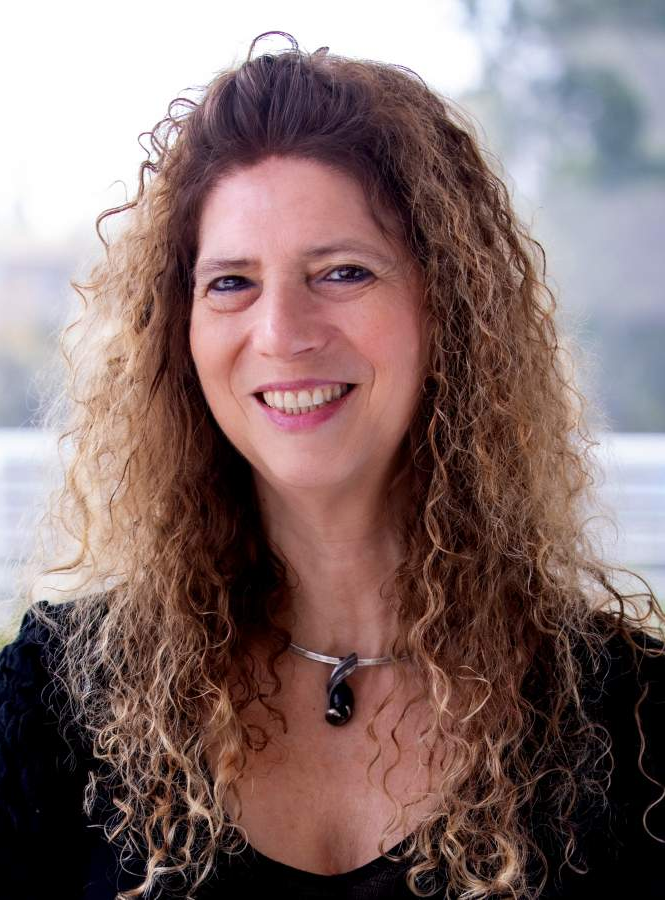
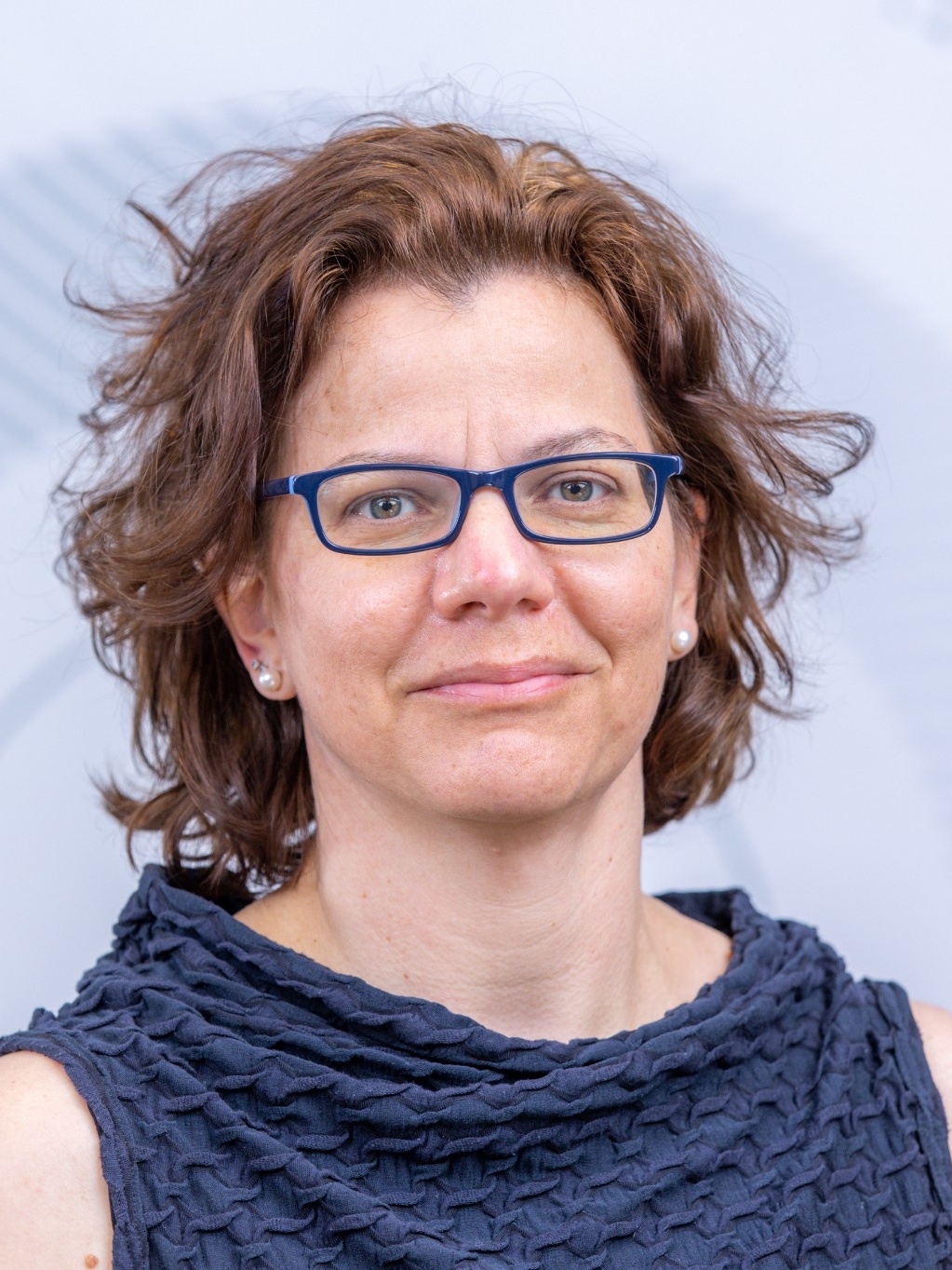
פרופ' מיכל אירני

מכון ויצמן למדע

Bridging the gap between Minds & Machines

Abstract

In this talk I will present how combining the power of Brains & Deep-Networks (DNNs) can lead to significant breakthroughs in both domains and potentially bridge the gap between Minds & Machines. I will further show how combining the power of Multiple Brains (“The Wisdom of a Crowd of Brains”) may lead to new breakthrough discoveries in Brain-Science, allow mapping of information between different brains (with NO shared data), and lead to new ways of training and interpreting artificial DNNs.

פרופ' מיכל אירני

Invited Speakers

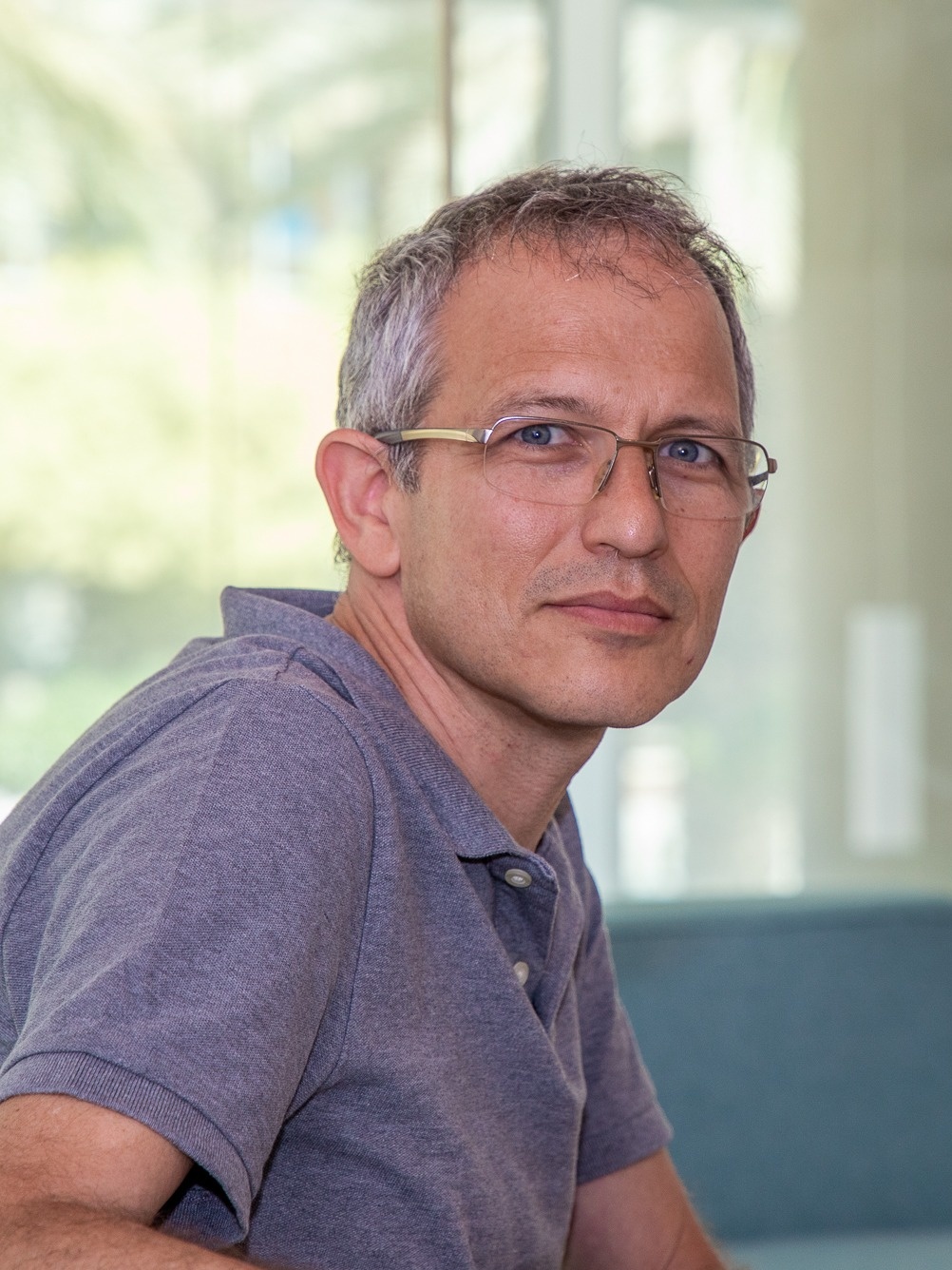
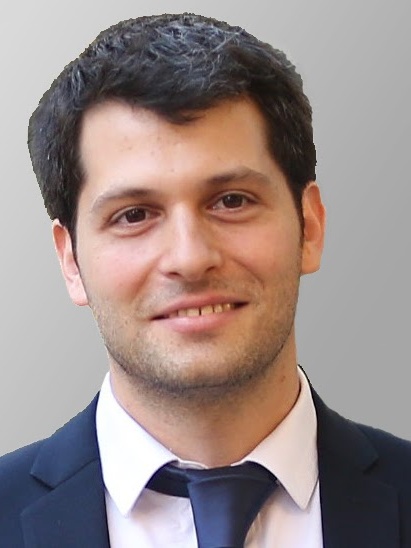
פרופ' מיכאל אלעד

הטכניון – מכון טכנולוגי לישראל

Novel Lossy Image Compression Schemes via Diffusion Models

Abstract

Diffusion models have transformed the landscape of image generation, offering a reliable sampling from the probability density function of images. These models have also been extended to provide posterior sampling capabilities, by conditioning the process on given external controls. This ability has been demonstrated for handling inverse problems in novel ways, and for producing images conditioned on textual prompts, showing in both tasks remarkable results. A very new and fascinating trend in this domain harnesses diffusion models to image compression, showing great potential here as well. This talk presents this story: The essence of diffusion models, their generative abilities, their posterior-sampling extensions, and most importantly, their ability to lead to novel and highly effective compression schemes for images and other data sources. No background is assumed.

פרופ' מיכאל אלעד

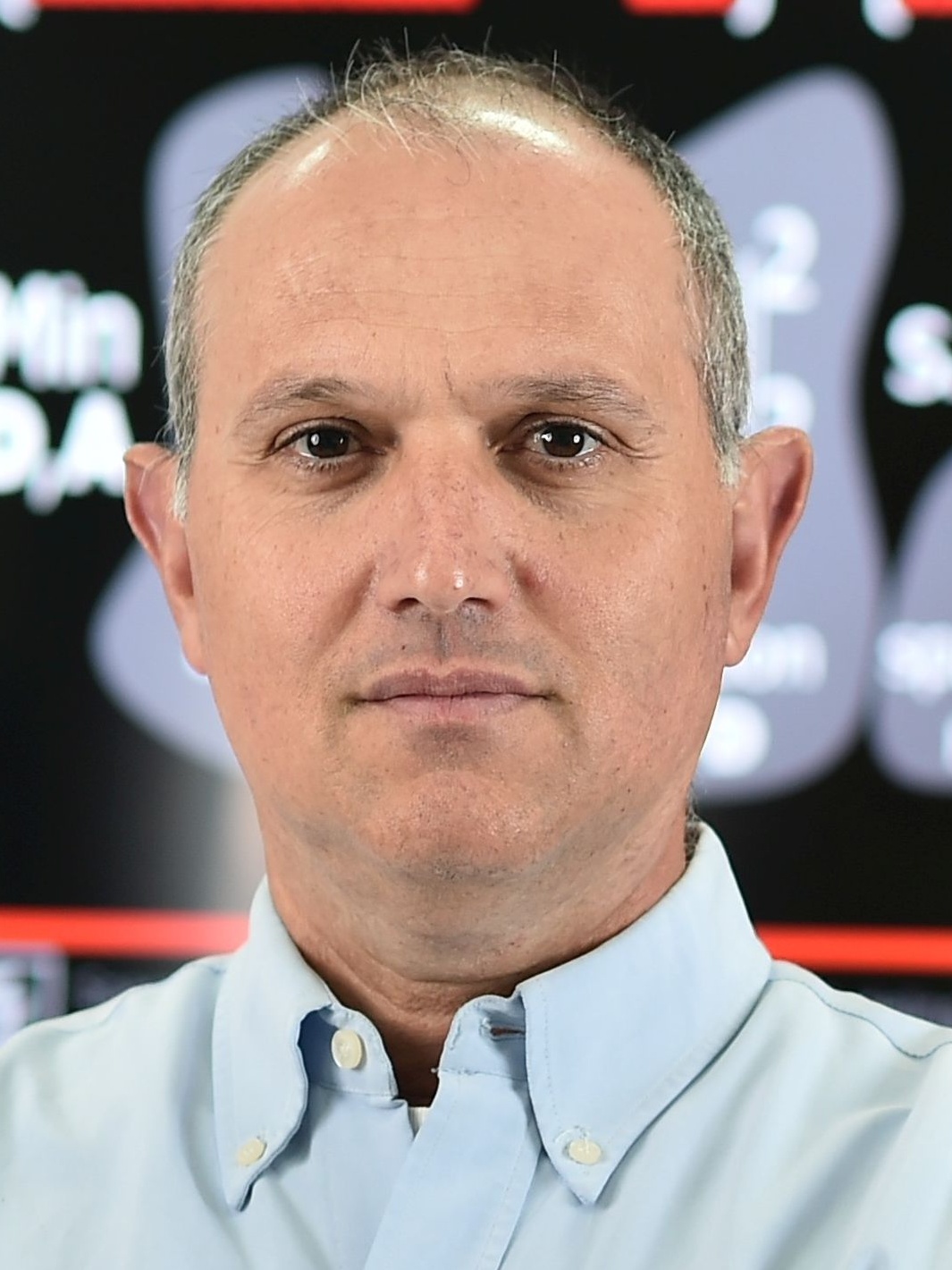
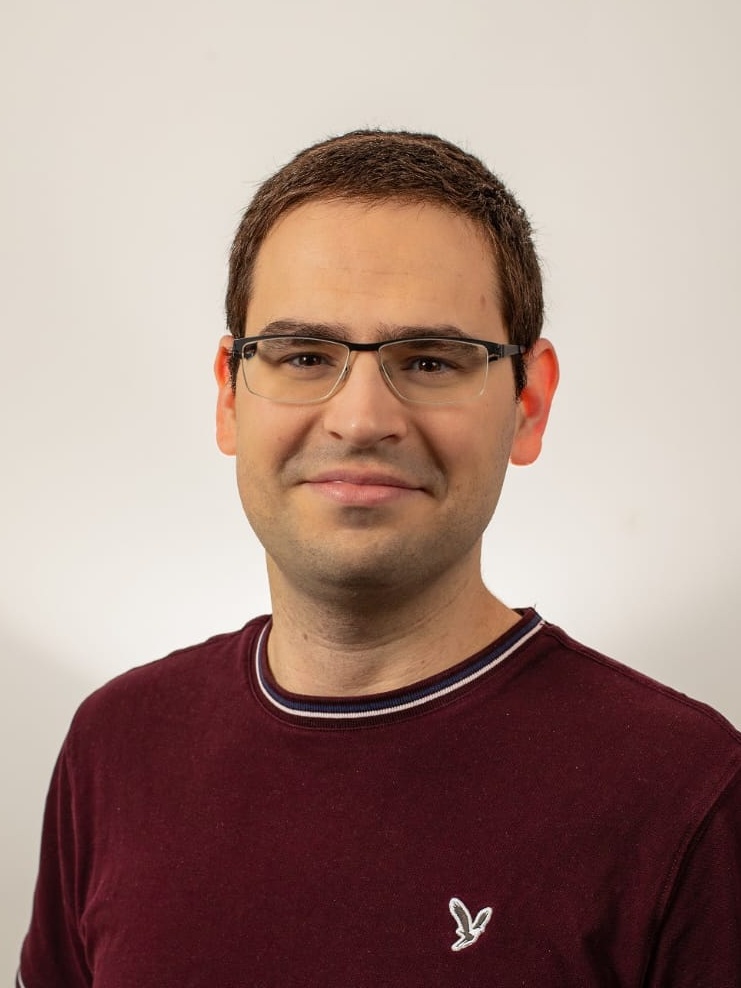
ד"ר איתי ספרן

אוניברסיטת בן־גוריון בנגב

To Grok Grokking: Provable Grokking in Ridge Regression

Abstract

Grokking is the sudden onset of generalization long after a model has already overfit its training data. In this talk, I will present an end-to-end theoretical account of this phenomenon in classical ridge regression. For over-parameterized linear models trained by gradient descent with weight decay, we prove the full grokking trajectory: early overfitting, a prolonged period of poor generalization, and eventual convergence to arbitrarily small generalization error. Our analysis provides quantitative bounds on the generalization delay, and shows how it can be amplified or eliminated through principled hyperparameter tuning. I will also present experiments suggesting that these predictions extend beyond linear models to nonlinear neural networks. Overall, the results suggest that grokking is not an inherent failure mode of deep learning, but rather a consequence of specific training conditions, and thus does not require fundamental changes to the model architecture or learning algorithm to avoid.

Joint work with Mingyue Xu and Gal Vardi.

ד"ר איתי ספרן

לוח זמנים (מתעדכן באופן סדיר):

09:30–11:30 מושב בוקר הכולל:

  • איתי ספרן.
  • נעה אגמון.
  • מיכאל אלעד.
  • הרצאת keynote של פרופ' מיכל אירני.

11:30–13:15 מושב מרכזי משותף

13:15–14:15 ארוחת צהריים

14:15–16:30 מושב אחר הצהריים הכולל:
יו"ר המושב: ד"ר איתי ספרן.

  • פגישה שנתית של העמותה הישראלית לבינה המלאכותית.
    יו"ר: פרופ' טל גרינשפון.
  • הרצאת keynote של פרופ' מיכל פלדמן.
  • עמרי אבנד.
  • משה אליסוף.
  • אמיר גלוברזון.
  • Poster session עם כיבוד קל.

Artificial Intelligence Session

In collaboration with the Israeli Association for Artificial Intelligence (IAAI).

As part of the National Conference on Computer and Information Sciences, taking place on 08/10/26, we will hold an artificial intelligence session. This session reflects the conference’s focus on developments in artificial intelligence in Israeli academia, industry, and society. It will feature invited talks by leading researchers in the field from various universities and research institutions. Part of the session will be devoted to the annual meeting of the Israeli Association for Artificial Intelligence.

Session Speakers

Keynote Speakers

Prof. Michal Irani

Weizmann Institute of Science

Bridging the gap between Minds & Machines

Abstract

In this talk I will present how combining the power of Brains & Deep-Networks (DNNs) can lead to significant breakthroughs in both domains and potentially bridge the gap between Minds & Machines. I will further show how combining the power of Multiple Brains (“The Wisdom of a Crowd of Brains”) may lead to new breakthrough discoveries in Brain-Science, allow mapping of information between different brains (with NO shared data), and lead to new ways of training and interpreting artificial DNNs.

Prof. Michal Irani

Invited Speakers

Prof. Michael Elad

Technion – Israel Institute of Technology

Novel Lossy Image Compression Schemes via Diffusion Models

Abstract

Diffusion models have transformed the landscape of image generation, offering a reliable sampling from the probability density function of images. These models have also been extended to provide posterior sampling capabilities, by conditioning the process on given external controls. This ability has been demonstrated for handling inverse problems in novel ways, and for producing images conditioned on textual prompts, showing in both tasks remarkable results. A very new and fascinating trend in this domain harnesses diffusion models to image compression, showing great potential here as well. This talk presents this story: The essence of diffusion models, their generative abilities, their posterior-sampling extensions, and most importantly, their ability to lead to novel and highly effective compression schemes for images and other data sources. No background is assumed.

Prof. Michael Elad

Dr. Itay Safran

Ben-Gurion University of the Negev

To Grok Grokking: Provable Grokking in Ridge Regression

Abstract

Grokking is the sudden onset of generalization long after a model has already overfit its training data. In this talk, I will present an end-to-end theoretical account of this phenomenon in classical ridge regression. For over-parameterized linear models trained by gradient descent with weight decay, we prove the full grokking trajectory: early overfitting, a prolonged period of poor generalization, and eventual convergence to arbitrarily small generalization error. Our analysis provides quantitative bounds on the generalization delay, and shows how it can be amplified or eliminated through principled hyperparameter tuning. I will also present experiments suggesting that these predictions extend beyond linear models to nonlinear neural networks. Overall, the results suggest that grokking is not an inherent failure mode of deep learning, but rather a consequence of specific training conditions, and thus does not require fundamental changes to the model architecture or learning algorithm to avoid.

Joint work with Mingyue Xu and Gal Vardi.

Dr. Itay Safran

Schedule (updated regularly):

09:30–11:30 Morning session, including:

  • Itay Safran.
  • Noa Agmon.
  • Michael Elad.
  • Keynote talk by Prof. Michal Irani.

11:30–13:15 Joint Plenary Session

13:15–14:15 Lunch

14:15–16:30 Afternoon session, including:
Session chair: Dr. Itay Safran.

  • Annual meeting of the Israeli Association for Artificial Intelligence.
    Chair: Prof. Tal Grinshpoun.
  • Keynote talk by Prof. Michal Feldman.
  • Omri Abend.
  • Moshe Eliasof.
  • Amir Globerson.
  • Poster session with light refreshments.
{{tariff.title}}

{{tariff.validUntilDescription}}

 
מחיר

הרשמו עכשיו
ראשי המושב
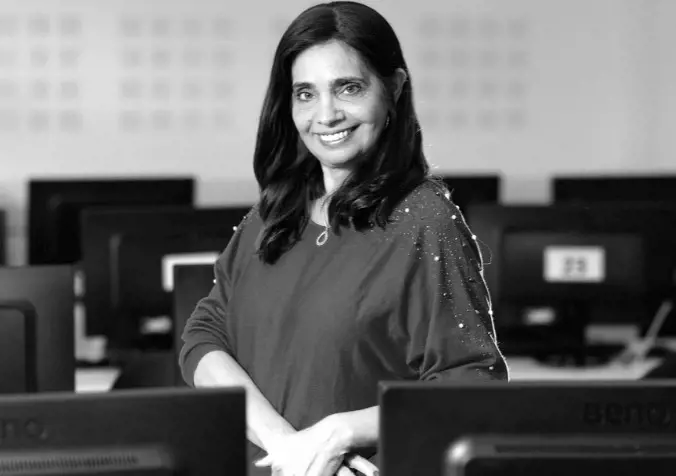
פרופ' ברכה שפירא

פרופ' ברכה שפירא

פרופסורית מן המניין וראשת המכון למחקר יישומי בבינה מלאכותית באוניברסיטת בן־גוריון.
bracha.shapira@gmail.com
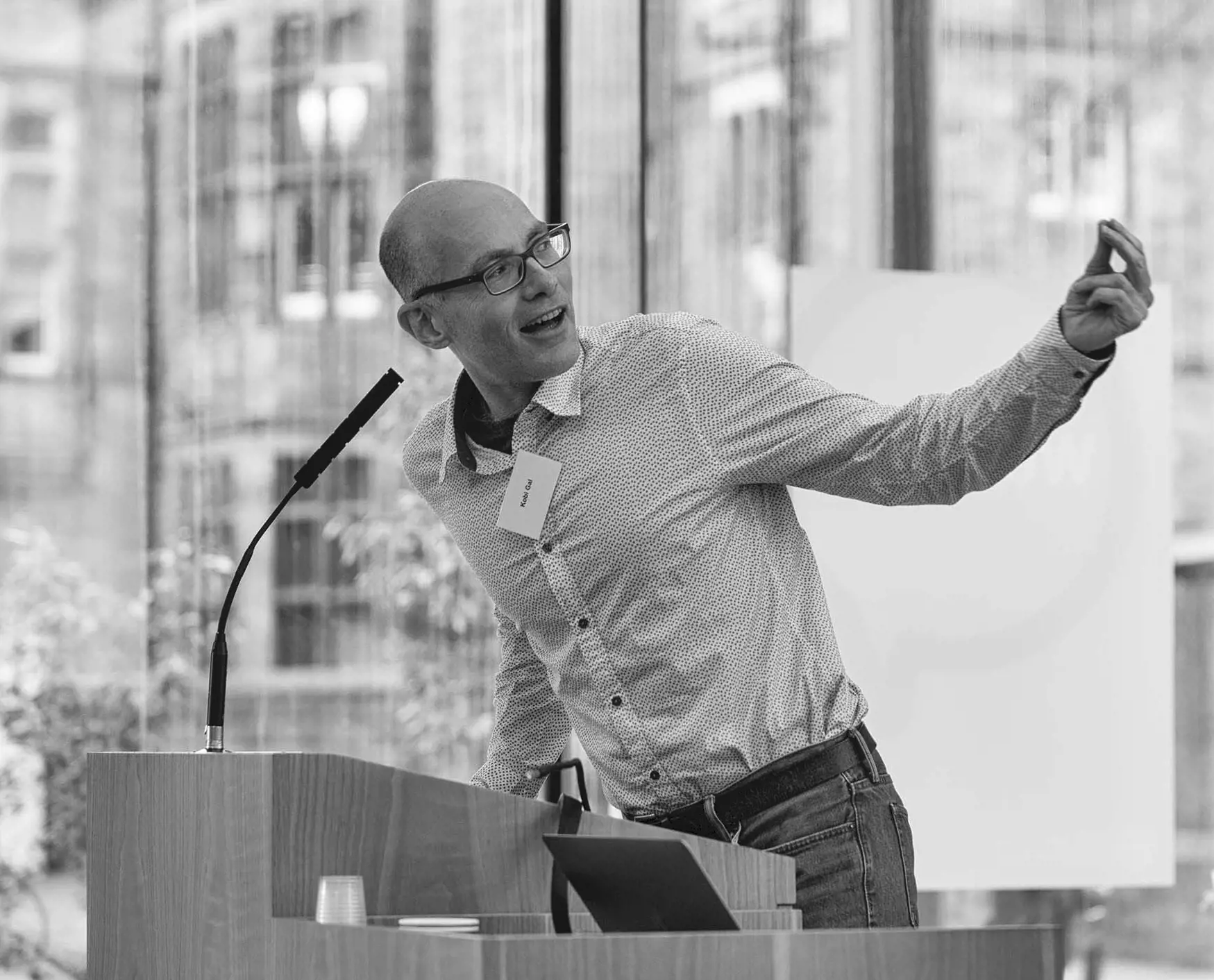
פרופ' קובי גל

פרופ' קובי גל

פרופסור מן המניין וראש המכון ליסודות הבינה המלאכותית באוניברסיטת בן־גוריון.
kobig@bgu.ac.il